
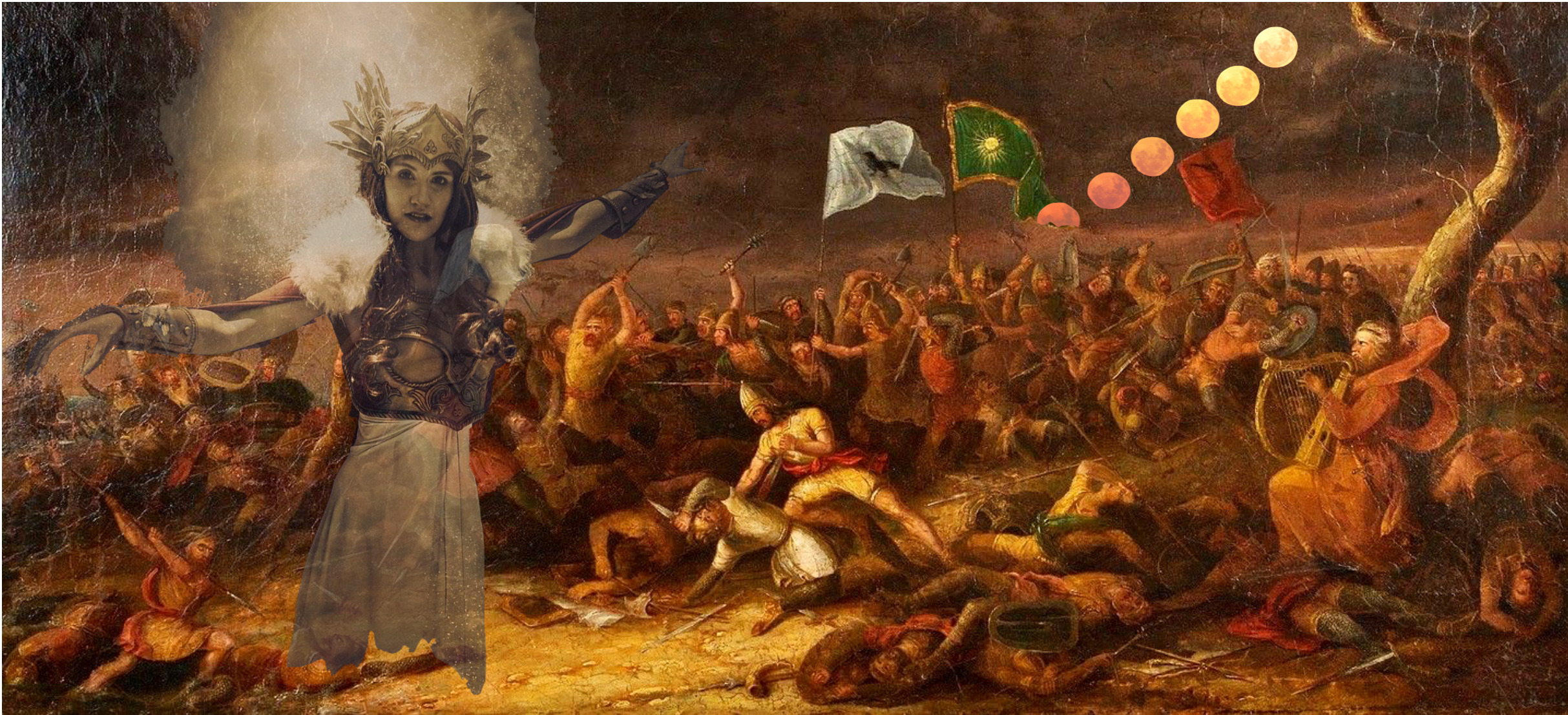
Sysa Hillock: Viking Astronomy in Folklore
This study examines Sysa Hillock as a complex astronomical site, serving both as an observatory and a centre for solar and lunar worship. Its significance, rooted in the Neolithic period, is demonstrated by its alignment with celestial events. Sysa's influence continued into the Viking Age, as reflected in myths like the Prophecy of Audna, where twelve Valkyries weave a web of twelve sections. This myth is shown to enshrine Sysa's central role in both ancient astronomical practices and the organisation of territorial space.
Astronomical Insights in Scottish Faerie Lore
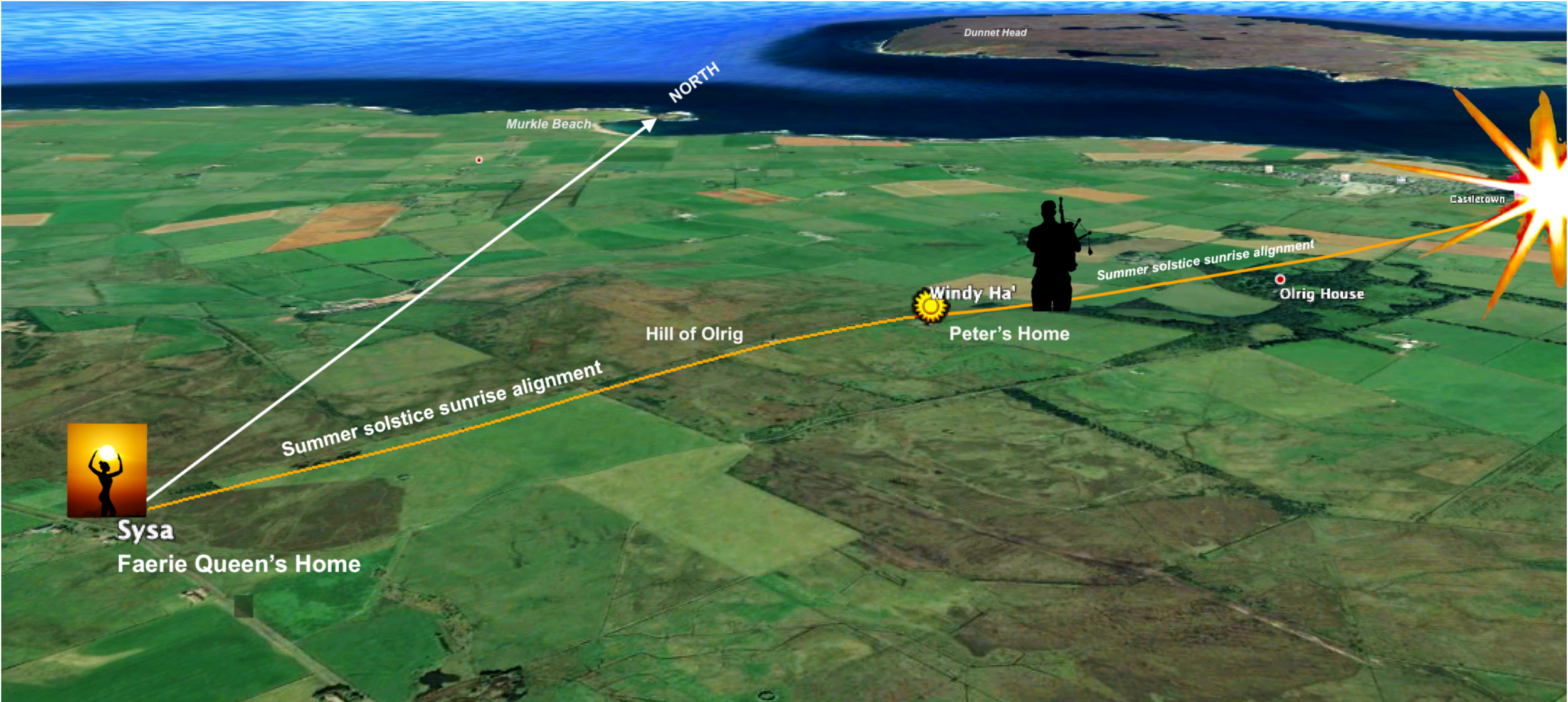
This study examines the myth of the Piper of Windy Ha' from the north coast of Scotland, uncovering its encoded geographical and astronomical significance. Through an analysis of the myth’s narrative, the article reveals a solstice alignment between Windy Ha’ and Sysa Hillock, suggesting that the myth preserved ancient astronomical knowledge. By integrating cartographic methods and archaeoastronomical theory, the study demonstrates how such myths functioned as vehicles for understanding seasonal cycles and the Sun’s role in agricultural practices. This research highlights the connection between myth, landscape, and celestial events in the Neolithic worldview.

Rediscovering Colombia's Moon Goddess Of El Dorado
This research provides new insights into Muisca archaeoastronomy, territorial organization, and creation mythology, revealing previously uncharted geodetic alignments associated with the Temple of the Moon in Chía, Cundinamarca, Colombia. Through non-intrusive archaeological methods, the study also uncovered a rare tumbaga statuette representing Chía, the Muisca goddess of the moon, offering a tangible connection to Muisca creation mythology.